In the mists of time, along the fertile riverbanks of ancient Japan, a culinary tradition was born from necessity and ingenuity. To preserve their bountiful catch, fishermen would encase fish in fermented rice, allowing natural fermentation to safeguard the fish for months. This method, known as narezushi, was less about flavor and more about sustenance; the rice, having served its purpose, was discarded, and the preserved fish was consumed.

Sushi History
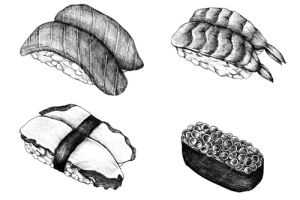

As centuries unfolded, the Japanese palate evolved, finding harmony between the sourness of fermented rice and the richness of fish. This evolution birthed namanare, a dish where both rice and fish were consumed before fermentation rendered them overly pungent. It was a delicate balance, a dance between time and taste, capturing the essence of fleeting freshness.
The Edo period ushered in a transformative era for sushi. The bustling streets of Edo (modern-day Tokyo) demanded sustenance that was both convenient and delectable. Enter haya-zushi, the fast food of its time, where vinegared rice was paired with fresh fish, vegetables, and dried foods, eliminating the need for lengthy fermentation. This innovation not only preserved the nutritional integrity of the ingredients but also catered to the rapid pace of urban life.
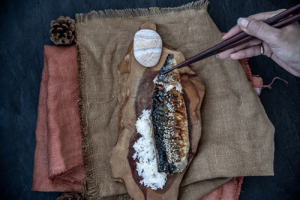
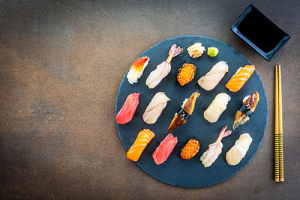
By the early 19th century, sushi had firmly rooted itself in Japanese culture, transcending its humble beginnings to become a symbol of culinary artistry. From preservation technique to gourmet delicacy, sushi’s journey mirrors Japan’s own evolution—a testament to resilience, adaptability, and an enduring appreciation for the gifts of nature.
Safety: The Foundation of Delicious Sushi
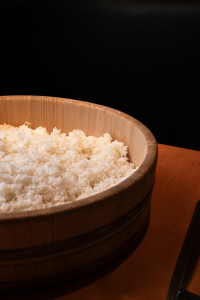
It All Begins with Shari
For a sushi chef, great sushi begins with great shari — seasoned sushi rice. The shari should be glossy, tender and well seasoned, with each grain retaining enough structure to release naturally in the mouth. But before we think about flavour, texture and presentation, sushi rice must also be prepared and controlled safely.
Cooked rice can support the growth of foodborne microorganisms, particularly Bacillus cereus, when it is improperly handled or held. For this reason, acidification is an important control measure when sushi rice is intended to be held without refrigeration.
Acidification: More Than Just Vinegar for Flavour
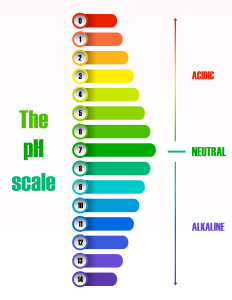
Traditional sushi vinegar is not added only to give shari its characteristic balance of sweetness and acidity. The vinegar solution also lowers the rice’s pH.
Earlier BCCDC sushi-safety guidance referenced a target below pH 4.6. Following subsequent technical review, BCCDC recommended acidifying sushi rice to below pH 4.2 when it is intended to be held at room temperature. The FDA Food Code supplement similarly identifies pH 4.2 or below as the critical limit for acidified sushi rice. [1][2]
A professional kitchen should therefore validate its own sushi-rice recipe with an accurate pH meter rather than assuming that a particular vinegar-to-rice ratio will always achieve the required acidity. BCCDC recommends a meter capable of approximately ±0.01 pH accuracy for recipe validation. [1]
Timing, Cooling & Storage
Acidification should take place as soon as the rice is cooked. Cool the rice in shallow containers, keep it covered when not in use, prepare fresh rice daily, and discard leftovers at the end of the day.
For chefs and food-service operators, the goal is straightforward:
Safe rice → properly seasoned rice → consistent sushi.
But safety is only the foundation. Once the recipe and food-safety controls are established, the next challenge is achieving the same level of precision and consistency from one piece of sushi to the next.
From Consistency to Creativity
Great sushi begins with safe, properly prepared shari. But exceptional nigiri and other sushi also depend on precision — from the amount of rice used in each portion to the consistency of the finished form.
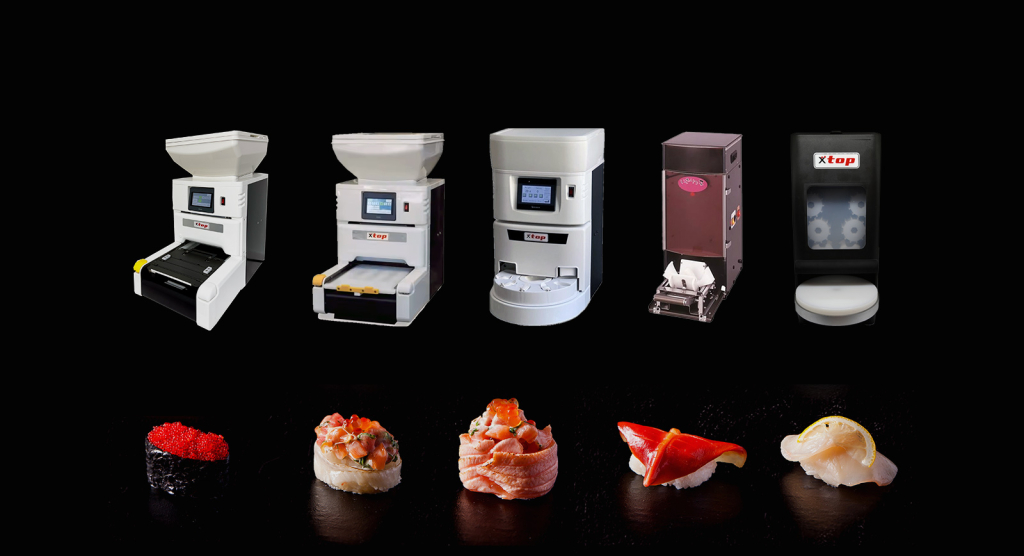
This is where Xtop technology can make a difference. By supporting the repetitive portioning and forming stage of sushi production, Xtop helps operators achieve consistent rice portions and repeatable results across production. The technology provides chefs with a precise and reliable starting point for the final sushi product.
And that consistency is not about replacing the chef. It is about giving chefs more room to do what they do best — focusing on flavour, balance, presentation and creativity, while technology handles the repetitive precision required to produce consistent sushi at scale.
Safety provides the foundation. Precision provides consistency. The chef brings the creativity.
References
[1] BC Centre for Disease Control (BCCDC), Sushi Rice Acidification, March 2016. BCCDC recommends acidification of sushi rice to a pH below 4.2 for room-temperature storage and recommends a pH meter with ±0.01 pH-unit accuracy for recipe validation. BCCDC – Sushi Rice Acidification
[2] U.S. Food and Drug Administration (FDA), Supplement to the 2022 Food Code – December 2024 Version. The FDA identifies pH 4.2 or below as the critical limit for acidified sushi rice. FDA – Supplement to the 2022 Food Code
Note: Food-safety requirements may vary by jurisdiction and by the specific handling and storage conditions of a food operation. Operators should follow applicable local regulations and validate their own processes.
Sushi Innovation
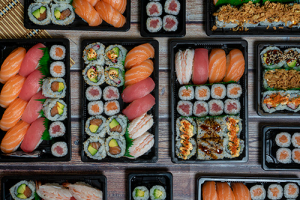
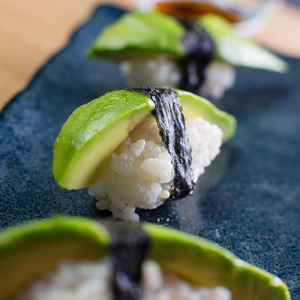
Sushi has evolved far beyond its traditional roots, becoming a global culinary sensation shaped by cultural influences, innovation, and technology. As sushi gained popularity outside Japan, it adapted to new tastes—leading to the creation of iconic rolls like the California Roll, which replaced traditional tuna with avocado to appeal to Western palates.
A major turning point in sushi’s modernization came with the emergence of sushi-making machines. As demand grew, both in Japan and internationally, restaurants and food service businesses sought efficient, high-quality solutions to maintain consistency while meeting increasing customer expectations. Automated sushi machines streamlined production, ensuring precision in rice distribution, rolling, and shaping—enabling businesses to scale without compromising quality.
This shift was particularly evident in North America, where sushi became not just a delicacy but an everyday dining option. Grocery stores, quick-service restaurants, and large-scale sushi chains integrated advanced sushi machines, allowing them to serve fresh, high-quality sushi at a competitive price. Recognizing this growing market, Xtop entered North America as a pioneer in premium sushi machine technology. By partnering with industry leaders and businesses seeking efficiency without sacrificing authenticity, Xtop has played a crucial role in shaping the next era of sushi-making—one where tradition meets innovation, and quality remains paramount.
Today, sushi is more than just a meal; it represents cultural fusion, craftsmanship, and technological advancement. With the help of Xtop’s cutting-edge solutions, the art of sushi-making continues to evolve, making premium sushi more accessible than ever before.